
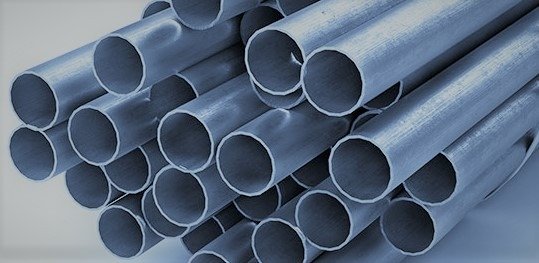
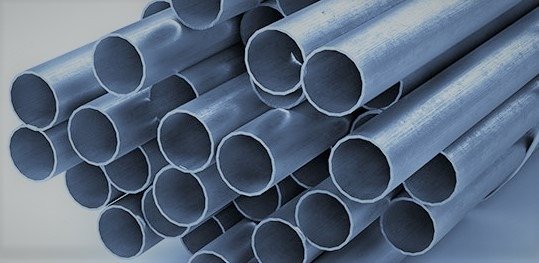
Galvanized tubes for construction (33.7; t 2.0)
made according to EN 10219| Diameter, mm | 33.7 |
|---|---|
| Wall thickness, mm | 2.0 |
| Theoretical weight, kg/m | 1.67 |
| Steel grade | S235JRH |
Strong and versatile metal products widely used in construction, structural work and various manufacturing solutions.
| Diameter, mm | 33.7 |
|---|---|
| Wall thickness, mm | 2.0 |
| Theoretical weight, kg/m | 1.67 |
| Steel grade | S235JRH |
| Diameter, mm | 33.7 |
|---|---|
| Wall thickness, mm | 2.5 |
| Theoretical weight, kg/m | 2.03 |
| Steel grade | S235JRH |
| Diameter, mm | 38 |
|---|---|
| Wall thickness, mm | 1.5 |
| Theoretical weight, kg/m | 1.350 |
| Steel grade | S235JRH |
| Diameter, mm | 40 |
|---|---|
| Wall thickness, mm | 1.5 |
| Theoretical weight, kg/m | 1.424 |
| Steel grade | S235JRH |
| Diameter, mm | 40 |
|---|---|
| Wall thickness, mm | 2.0 |
| Theoretical weight, kg/m | 1.874 |
| Steel grade | S235JRH |
| Diameter, mm | 42.4 |
|---|---|
| Wall thickness, mm | 1.5 |
| Theoretical weight, kg/m | 1.513 |
| Steel grade | S235JRH |
| Diameter, mm | 42.4 |
|---|---|
| Wall thickness, mm | 2.0 |
| Theoretical weight, kg/m | 1.993 |
| Steel grade | S235JRH |
| Diameter, mm | 42.4 |
|---|---|
| Wall thickness, mm | 2.5 |
| Theoretical weight, kg/m | 2.460 |
| Steel grade | S235JRH |
| Diameter, mm | 48.3 |
|---|---|
| Wall thickness, mm | 1.5 |
| Theoretical weight, kg/m | 1.731 |
| Steel grade | S235JRH |
| Diameter, mm | 48.3 |
|---|---|
| Wall thickness, mm | 2.0 |
| Theoretical weight, kg/m | 2.284 |
| Steel grade | S235JRH |
| Diameter, mm | 48.3 |
|---|---|
| Wall thickness, mm | 2.5 |
| Theoretical weight, kg/m | 2.823 |
| Steel grade | S235JRH |
| Diameter, mm | 50 |
|---|---|
| Wall thickness, mm | 1.5 |
| Theoretical weight, kg/m | 1.794 |
| Steel grade | S235JRH |
| Diameter, mm | 50 |
|---|---|
| Wall thickness, mm | 2.0 |
| Theoretical weight, kg/m | 2.367 |
| Steel grade | S235JRH |
| Diameter, mm | 60.3 |
|---|---|
| Wall thickness, mm | 1.5 |
| Theoretical weight, kg/m | 2.175 |
| Steel grade | S235JRH |
| Diameter, mm | 60.3 |
|---|---|
| Wall thickness, mm | 2.0 |
| Theoretical weight, kg/m | 2.875 |
| Steel grade | S235JRH |
| Diameter, mm | 60.3 |
|---|---|
| Wall thickness, mm | 2.5 |
| Theoretical weight, kg/m | 3.563 |
| Steel grade | S235JRH |
| Diameter, mm | 60.3 |
|---|---|
| Wall thickness, mm | 2.6 |
| Theoretical weight, kg/m | 4.040 |
| Steel grade | S235JRH |
| Diameter, mm | 60.3 |
|---|---|
| Wall thickness, mm | 3.0 |
| Theoretical weight, kg/m | 4.239 |
| Steel grade | S235JRH |
| Diameter, mm | 76.1 |
|---|---|
| Wall thickness, mm | 2.0 |
| Theoretical weight, kg/m | 3.650 |
| Steel grade | S235JRH |
| Diameter, mm | 76.1 |
|---|---|
| Wall thickness, mm | 2.6 |
| Theoretical weight, kg/m | 4.950 |
| Steel grade | S235JRH |
We will quickly evaluate your needs and offer the most suitable solution.
The right choice depends on the project purpose, planned loads, installation location, and expected durability. Lighter structures often need smaller profiles, while larger projects require stronger solutions.
Metal thickness should be selected according to load, installation location, and structure type. If you are unsure, send us an inquiry and we will help choose the right option.
They are used in construction, production structures, frames, supports, gates, fences, and other metal product solutions.
Yes, but outdoor conditions require the right coating, steel type, or additional corrosion protection.
Square profiles have equal sides, while rectangular profiles make it easier to distribute loads in a specific direction.
Fill in the inquiry form below and we will contact you as soon as possible.